Category: Travels

  • Arriving in Cusco

    Arriving in Cusco

    Our international flight from Houston landed in Lima around midnight on the 2nd of September. Customs was surprisingly easy. No forms to fill out and there was a departure gate that said “Nothing to Declare.” We went through it and….were on the street in Lima? The Wyndham hotel was right across the street and the longest line of the entire day was to the front desk.

    While we waited in line, I noticed a single, well-worn book on the coffee table. Intrigued, I took a look. It was by Martín Chambi Jiménez, one of the first major Indigenous Latin American photographers.

    Of all the beautiful pictures, this one caught my eye. Look at this man’s massive foot and ankle!

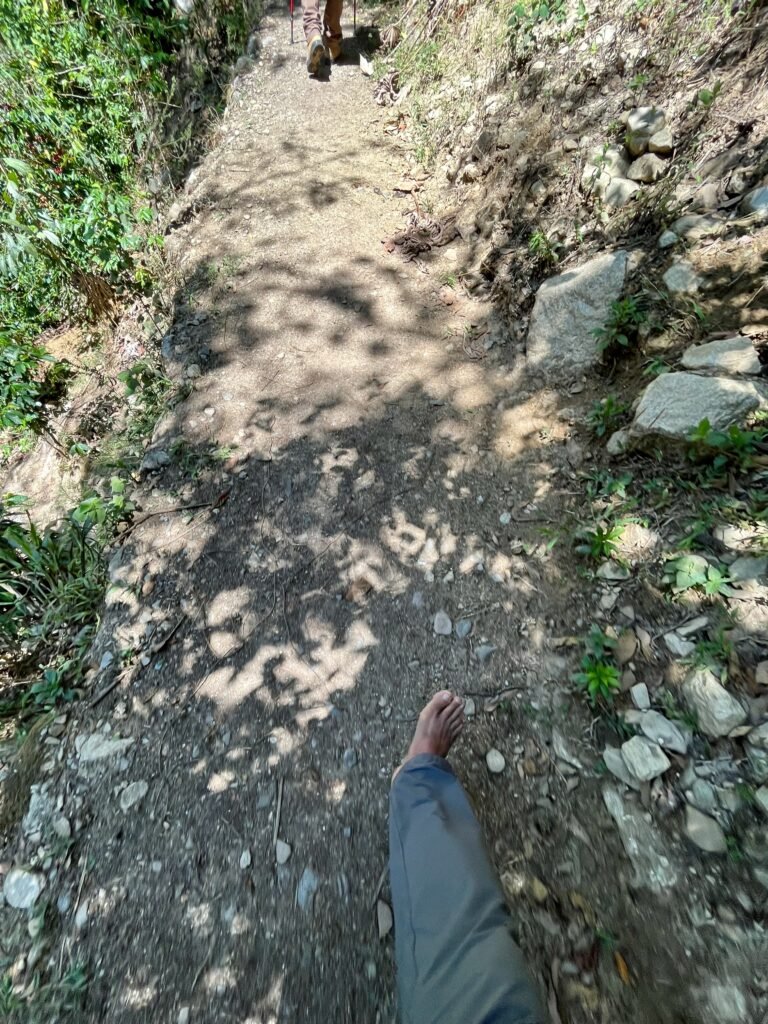
    This was actually a hint of things to come. The hobbits of Middle Earth would be impressed I think.

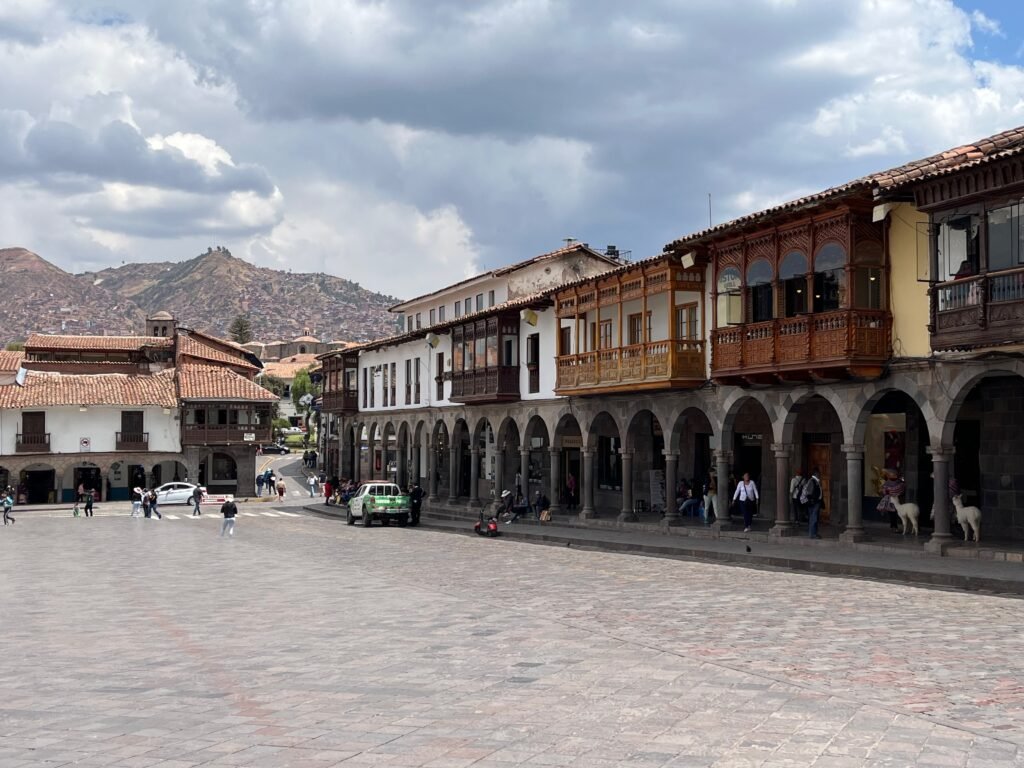
    By 10:30am the next day, we were crossing the Andes on our way to Cusco. Cusco was the original center of the Inca before their influence expanded and it is one of oldest continuously inhabited cities in the entire Western Hemisphere. It’s a UNESCO World Heritage site. The population of over 500,000 lives across the ancient valley at an elevation of over 11,000 feet. Cusco is considered the “navel of the world” and the original city center is believed to be in the shape of a puma, one aspect of the Incan trinity representing the power of the earth and the land of the living.

    At the airport, we were surprised and delighted to meet the owner of Alpaca Expeditions, Raul. Mark and Holly from Hobnail Trekking had set up a Zoom meeting with us all a couple of weeks earlier to go over the itinerary and ask questions. Of course, we didn’t know many questions to ask! We’ve not traveled like this before and it may have been a tad awkward, especially this first meeting.

    But at the airport, Raul was relaxed and excited to see us, he was in his element and his home country. We were comfortable right away and his driver quickly whisked us away to our hotel, The Rumi Punku. And on the way I learned why I did not want to drive in Peru…

    The Rumi Punku

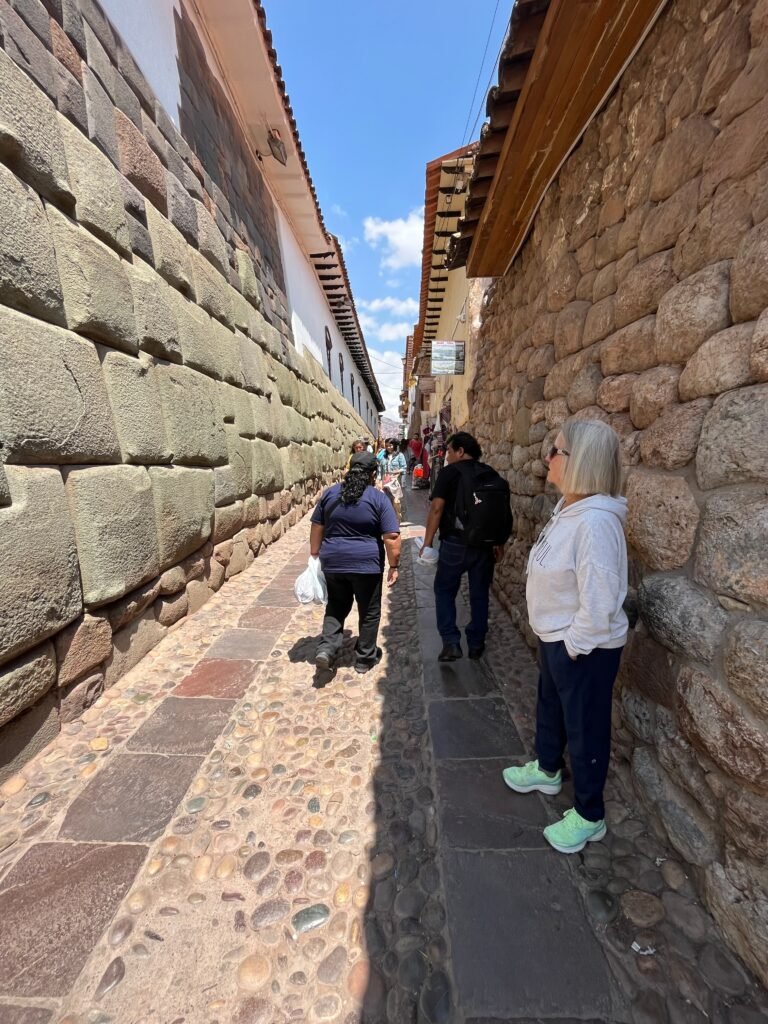
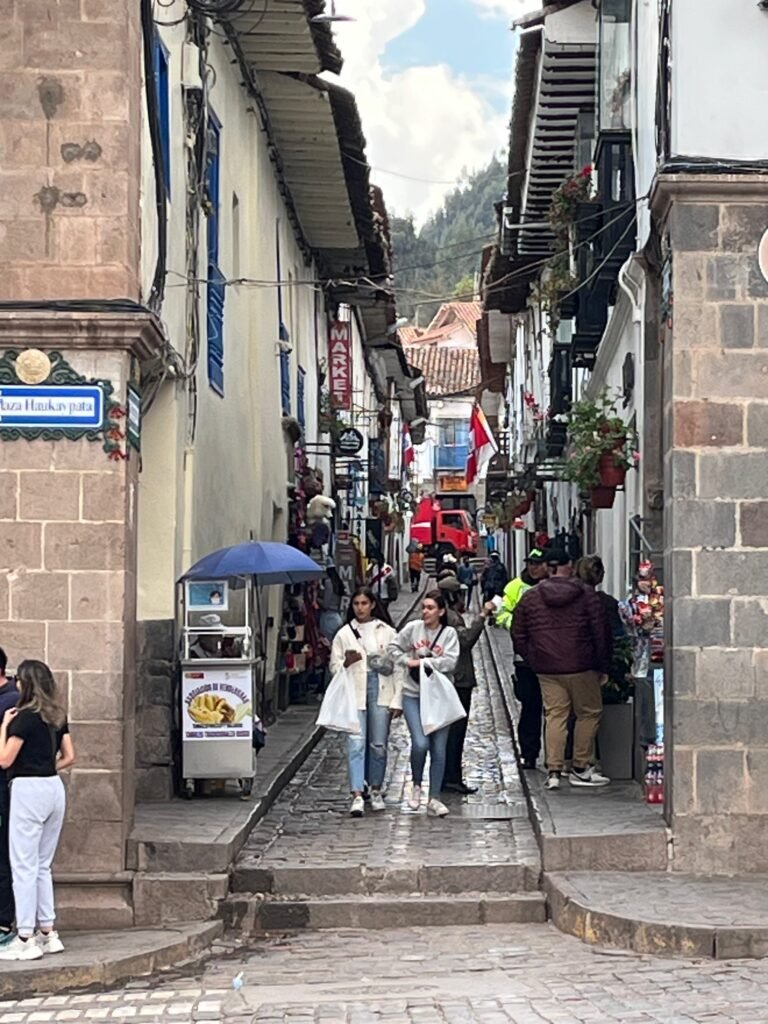
    The ancient downtown area of Cusco consists of narrow cobblestone streets between city blocks of both Incan and pre-Incan stonework. And even though the Spaniards tore down most of the city buildings in the 1500’s, they left much of the foundations and street network intact. This truly may have been because the stonework was so large and tight it was far easier to build adobe structures on top of it rather than try and tear it down!

    So you have these city blocks with a perimeter of thick stone that define the narrow streets. In this photo, you see the rougher, pre-Inca stone (with mortar) on the left and the very smooth, mortarless Inca stone on the right side of the street.

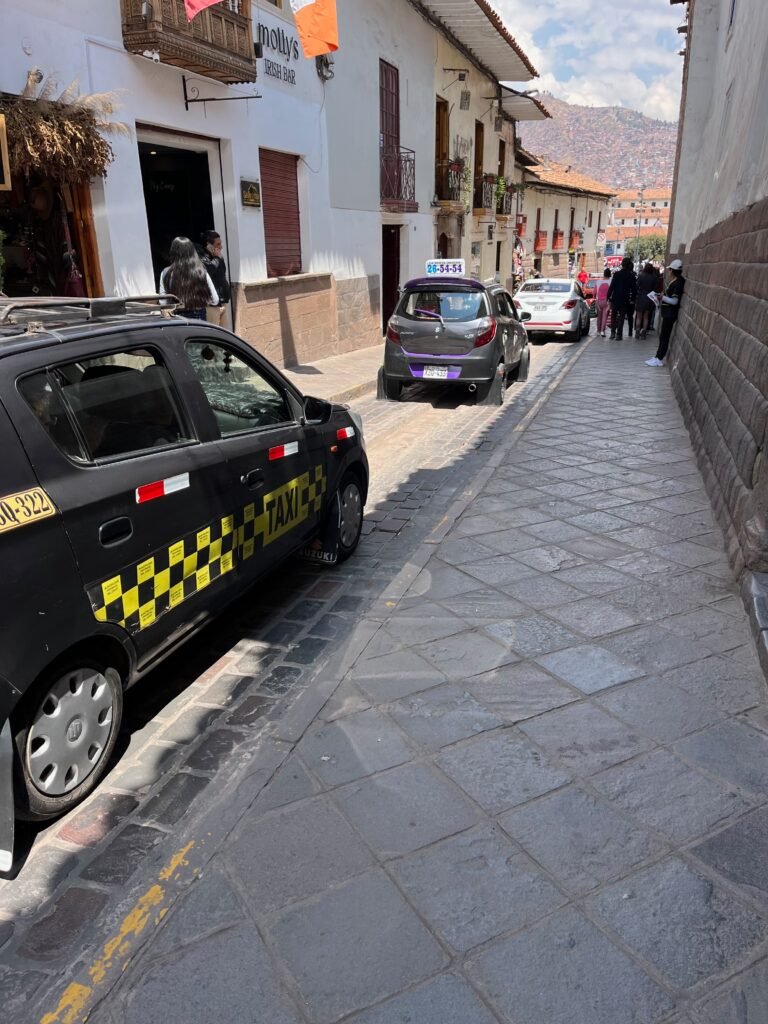
    You also get a feel for how narrow the streets are! These sidewalks are pretty typical! And the traffic can get pretty heavy, watch your step…

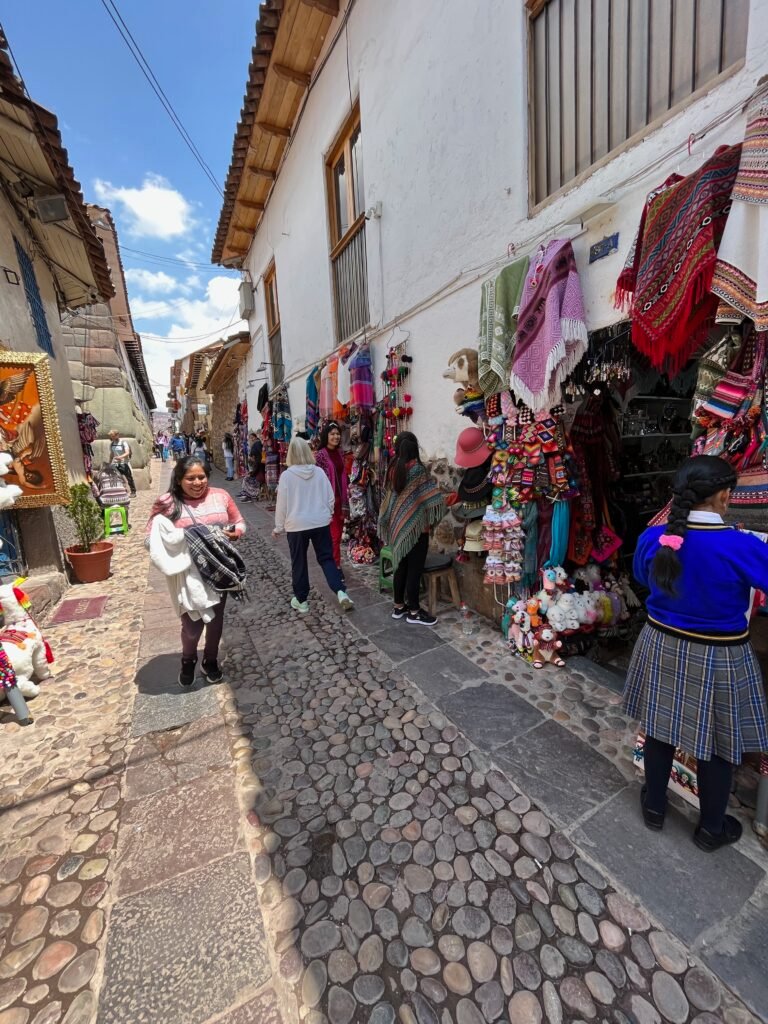
    All of this massive stone and thick walls is pretty imposing and seems fairly impersonal. But along the walls are doorways that open up in to little shops. A restaurant with maybe six tables. Or maybe a farmacia with just what you need for a stomach bug. OR…it may open up into a central plaza with many shops, each plaza having its own special character.

    You begin to realize that these thick walls isolate the street noise really well and provide a wonderful sense of security and peace.

    And so we come to the Rumi Punku. In Quechua, the main dialect of the Inca, this means “stone gate.” The entrance is actually an original Incan entrance and is a double jamb, signifying it was a government or public entrance. When you step through the gate beyond the thick wall you find a most wonderful hotel. It really reminded me of the La Fonda in Santa Fe, New Mexico. It’s an architectural gem, an art gallery, and an incredibly friendly and cozy space all rolled in to one. Every angle is a picture, every object is thoughtfully considered. You can tell it is well-loved and well-cared for. And quiet. And….you’ll understand the importance of this later….it has a nice fountain of filtered water where you can conveniently fill up your water bottles.

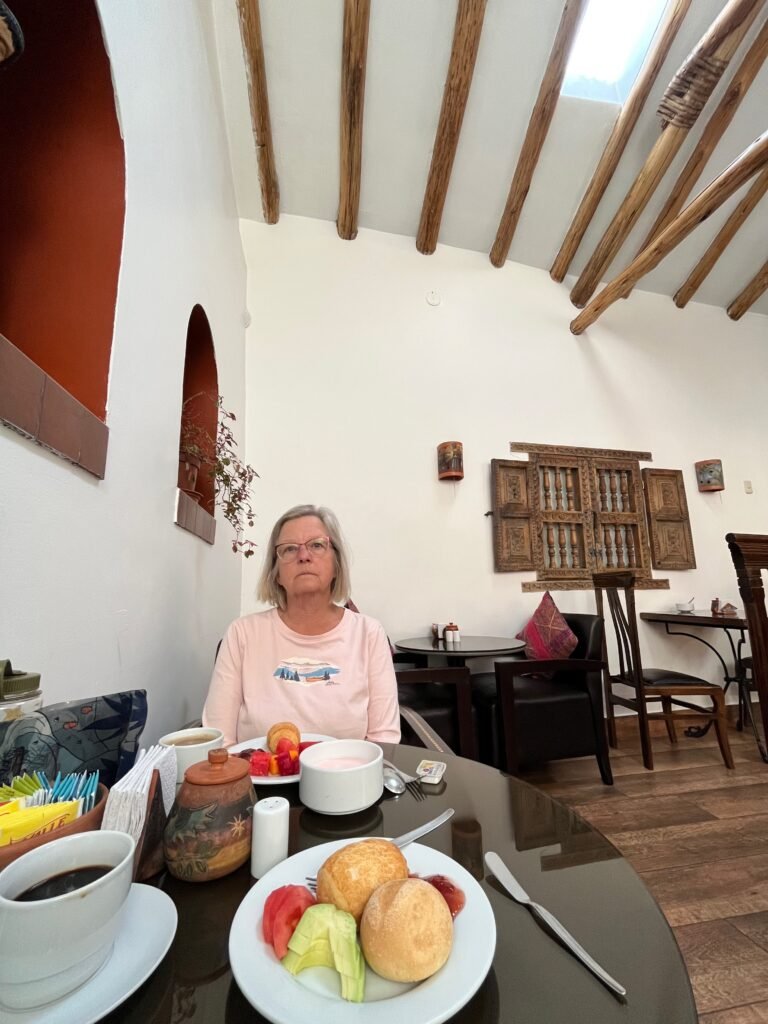
    A great tambo to rest from the busy day. Even at 5am, the fire is going and hot muña and coca teas are available. Breakfast included so many fresh fruits and juices too.

    Ruben

    Soon after we arrived at the hotel, we met Ruben, our first guide. We were supposed to walk to dinner to discuss the next two days of activities, which included ruins close to Cusco and a day trip in Sacred Valley, where he was born.

    One of the most important things to consider on this odyssey is the altitude. It’s a big deal. Cusco sits at over 11,000 feet, Salkantay Pass over 15,000, and Rainbow Mountain passes 16,000. But even Lake Titicaca, adjacent to the altiplano (high plane) is at 12,400 feet!

    The internet is abuzz (mainly from U.S. travelers) with all the benefits that coca tea has for altitude acclimation and sickness. It’s everywhere. Coca tea will solve all ills! Trying to do our research, with our biggest concern being acclimating to the altitude, we bought in, even buying some coca tea at the Lima airport so we could get started soon!

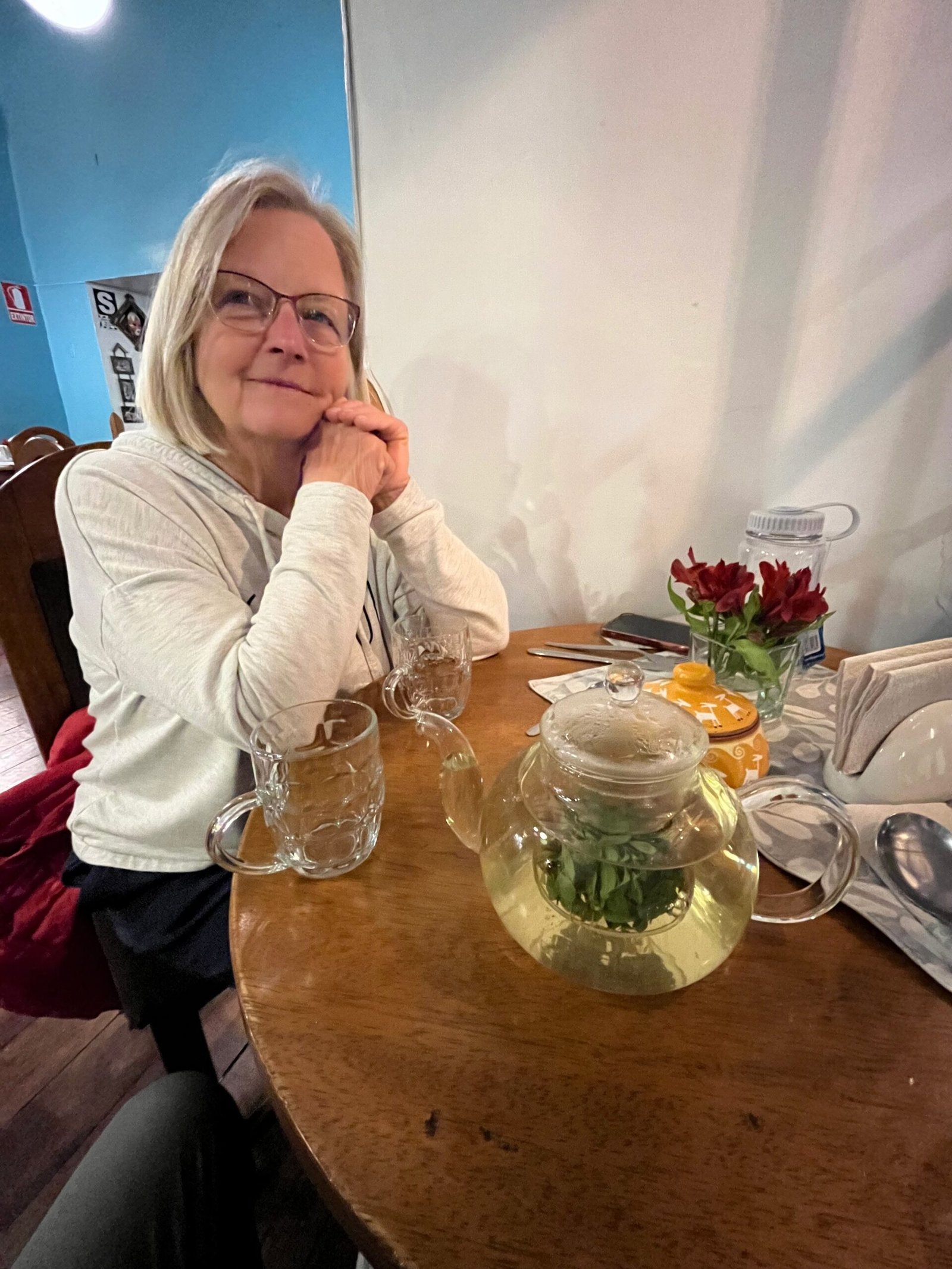
    While waiting on Ruben at the hotel, Patricia had ventured down to the dining area and made herself a thermos of coca tea. When Ruben showed up, he introduced himself and then… promptly poured her tea down the drain! “Coca tea is for energy, but it will not help you with the altitude!” Ruben said it was a big mistake to drink it early on and that it would actually contribute to a lack of sleep and unsteadiness. He said that after three days it would be perfectly fine to try, but based on his 27 years as a guide, muña tea is the way to go. It helps both with the adjusting and with the digestion. Muña, or Andean mint, is actually a distant relative of the mint family, it is prevalent and quite good. So we followed the master’s advice.

    Ruben walked us down to the Pachapapa restaurant, where the small entrance opened into a large courtyard under the sky and a large adobe wood-fired oven, something that we would see everywhere.

    As we discussed the itinerary over candlelight, I realized that he was not talking to the owner in Spanish, but Quechua, his native tongue.

    It was all a bit mysterious. And just so comfortable.

    I had the potato soup, followed by chicken stir-fried spaghetti with a quinoa biscuit and gooseberries for dessert. Patricia had a corn appetizer, the smoked trout and chocolate turron. Wow. Pico de gallo (“rooster’s beak,” due to possibly the early method of pinching the condiment between the thumb and forefinger), we would learn, would become ever-present with our meals. We did not try the guinea pig but it, too, was ever-present on the menu.

    Ruben, a 50-year-old Mestizo from Sacred Valley, has a unique heritage. He is half Spanish and half Inca. When he was 8 years old, he began attending school and was taught Spanish. As he progressed in his career as a guide, he dedicated himself to learning English through a one-year intensive program. We would come to learn and be humbled by the dedication and hard work he and the other guides put into mastering other languages.

    Ruben is a force of nature. And he made the next two days quite an adventure. But that wouldn’t start until the afternoon. In the morning, we had some time to explore the city as we continued to acclimate to a town that is literally a MILE above the MILE HIGH city of Denver, Colorado.

  • The logistics of getting from here to there.

    The logistics of getting from here to there.

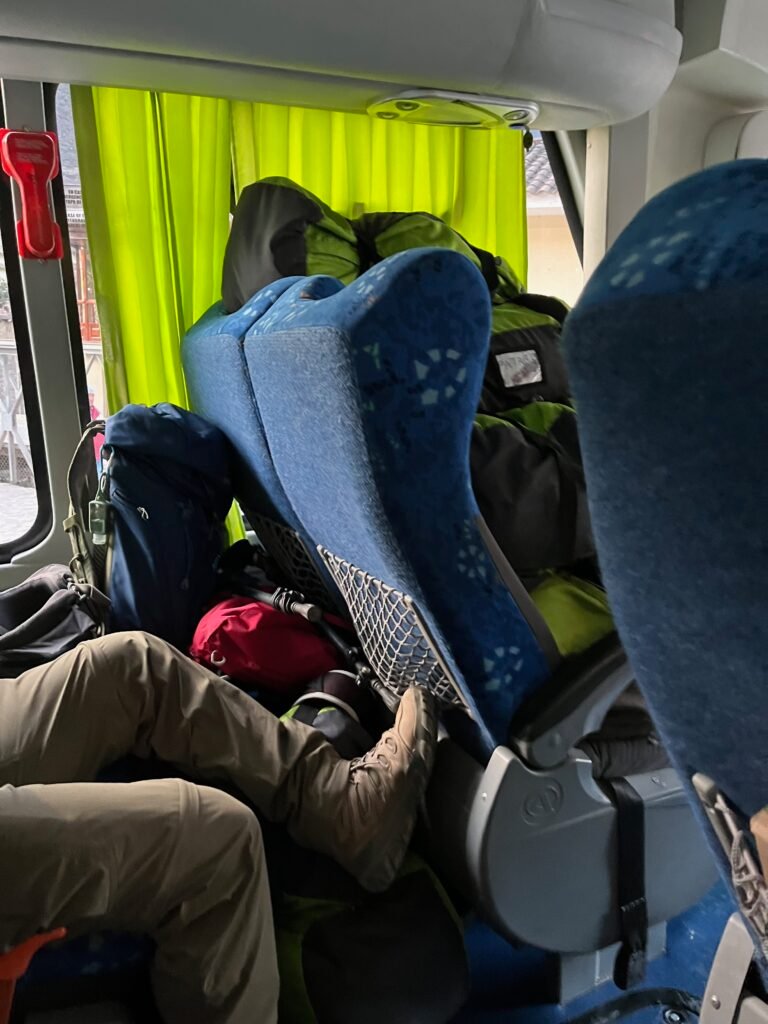
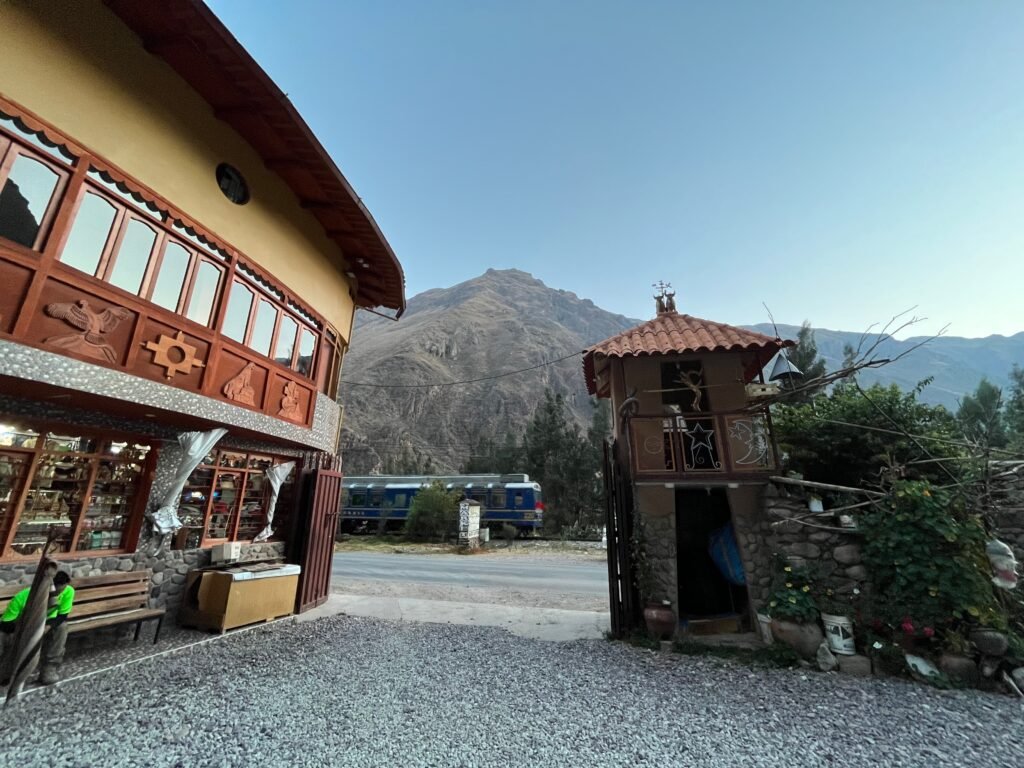
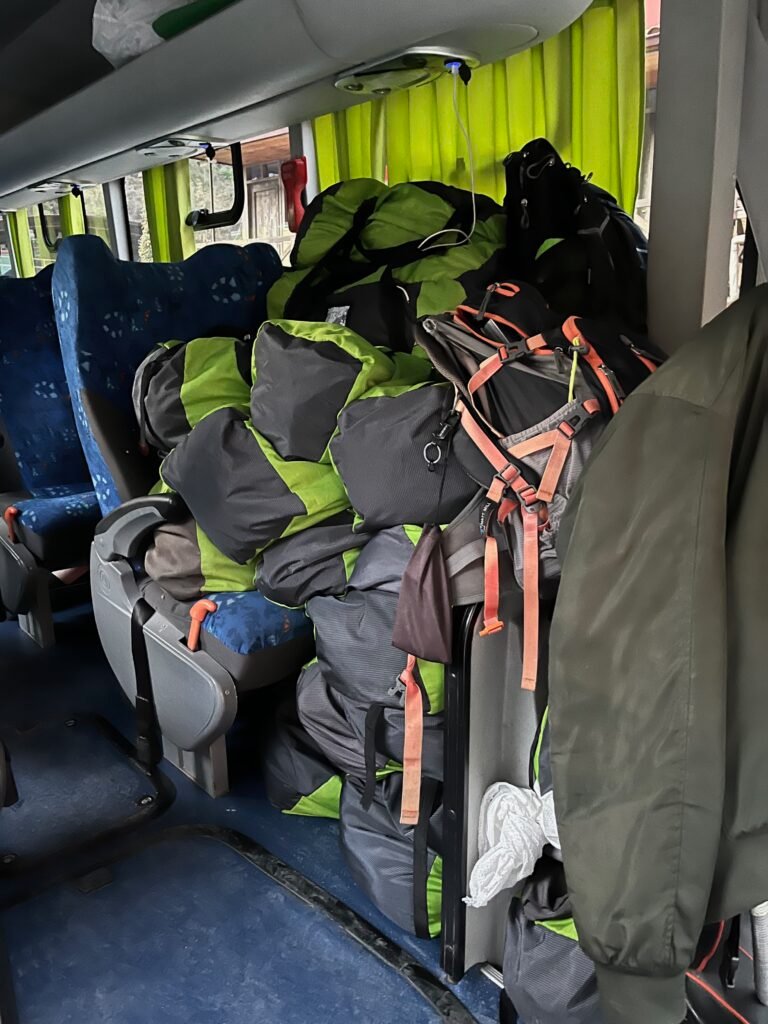
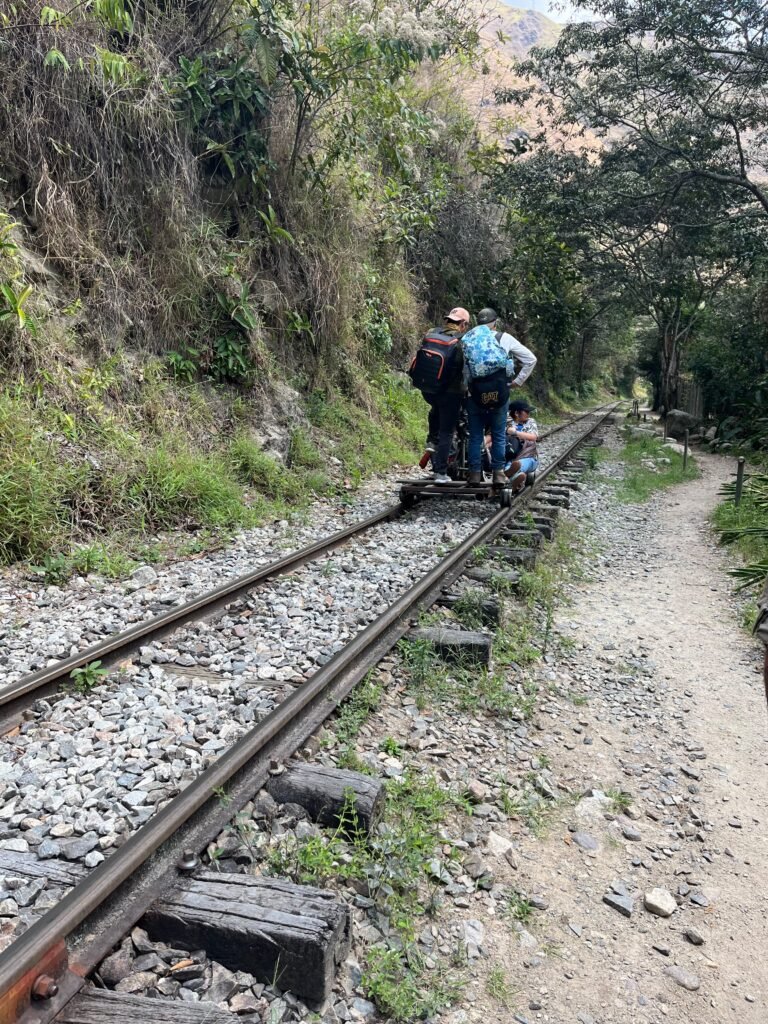
    Planes, trains, vans, buses, taxis, boats, bikes, horses, and of course, our feet.

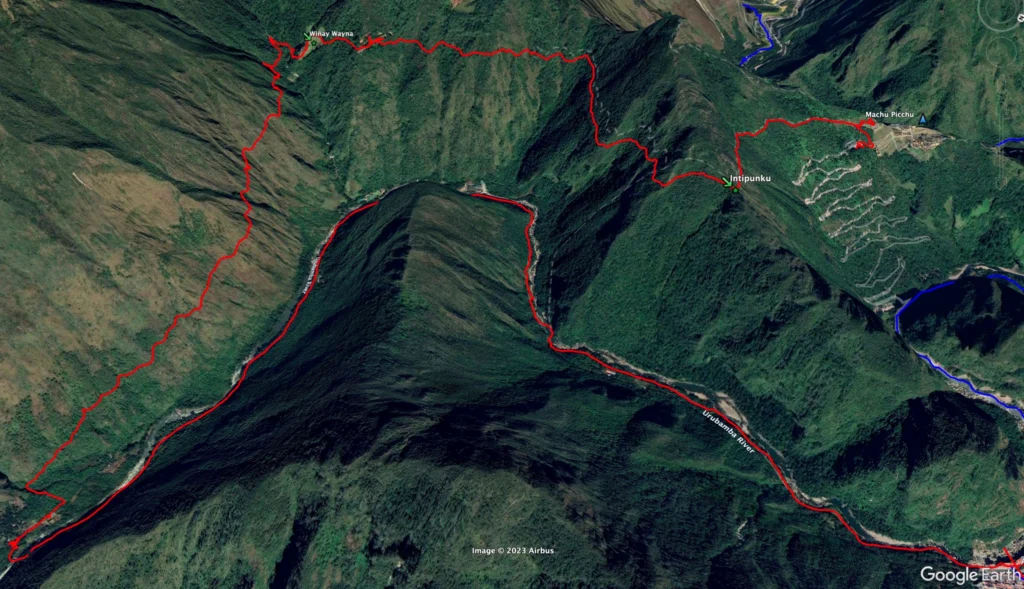
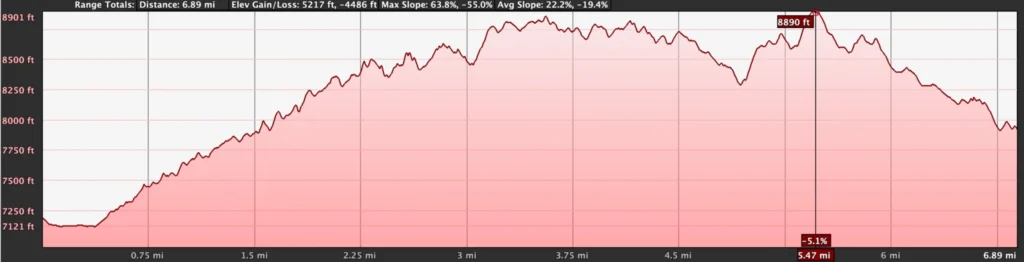
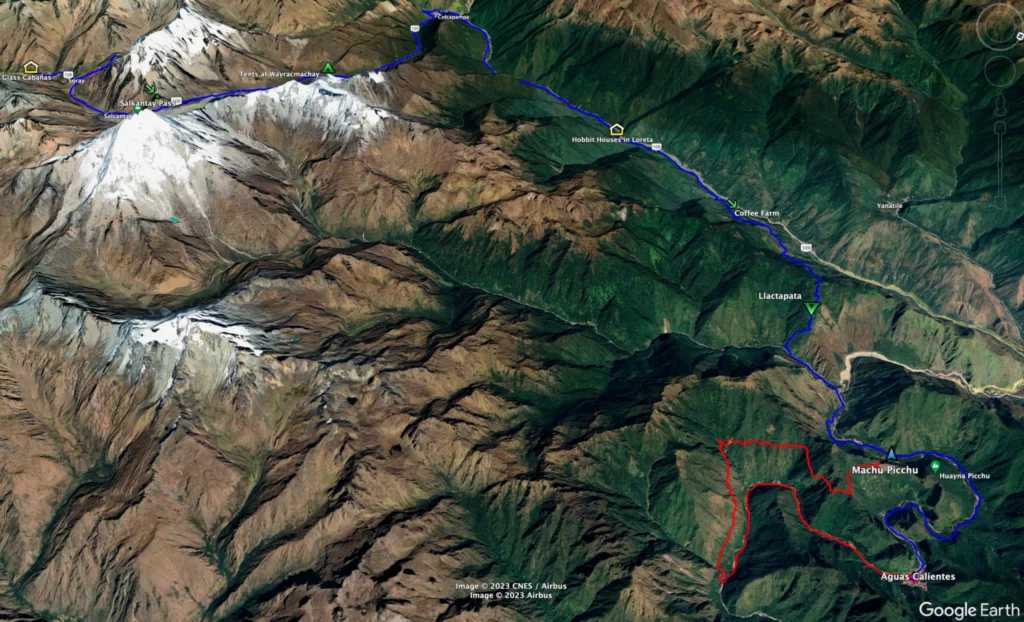
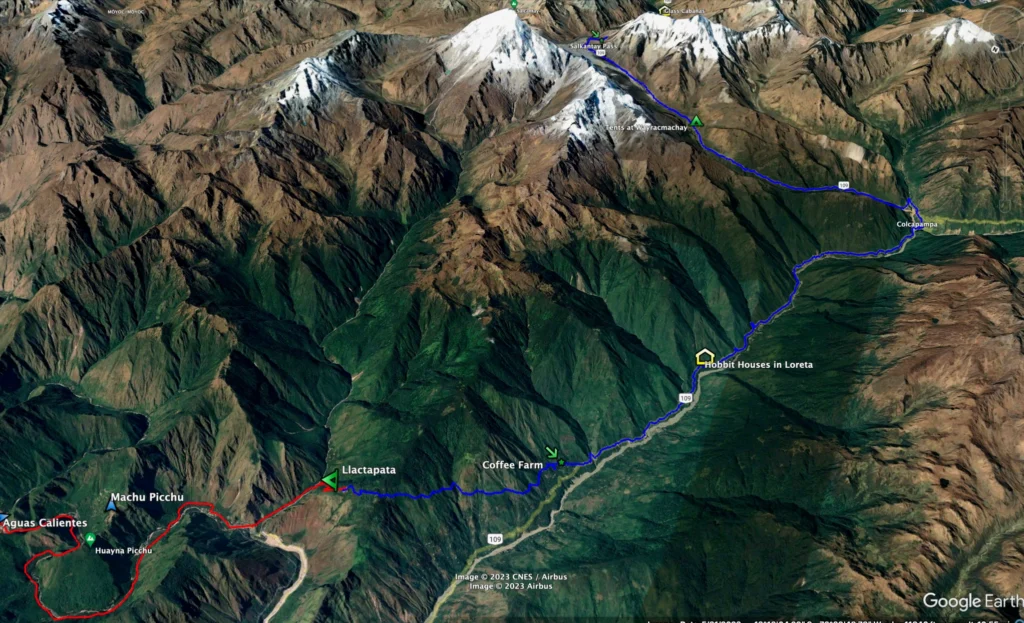
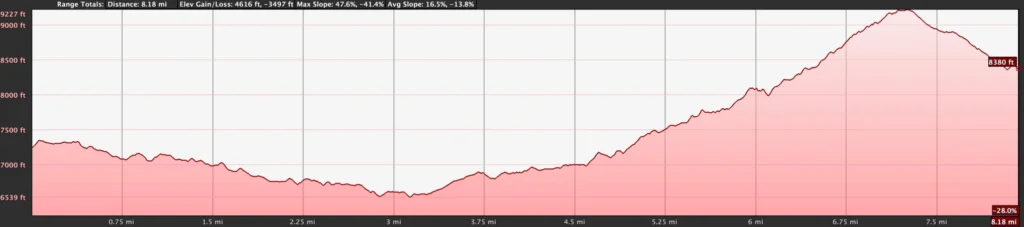
    I enjoy maps. And I like looking back and seeing what’s been accomplished. I tried two methods of capturing the trek using my iPhone. One was to use a mapping software, the other was to use the Health app. By putting my phone both in Airplane and Low Power mode, I could spend the day taking photos and not drain the battery. I’ve found that the Health app did a really good job of counting steps and miles, but did a poor job on elevation (floors) and was wildly low. But the mapping software was wildly high. I think the GPS struggled with accuracy in the steep terrain and not enough satellites were visible. So for elevation I simply reviewed the topographic maps after the fact and tallied the ups and downs. And I feel this is pretty close.

    The table ONLY includes data for foot travel. And it does not include the 10 mile bike ride in Miraflores. So it’s kinda fun to see that indeed there was a lot of trekking, some of it unexpected. For example, we thought Amantani and Tequile Islands would be pretty easy. But a nearly 1,000 foot climb to the top of Pachatata on Day 14, starting at 12,400 feet, was actually a pretty good haul!

    Interestingly, also on Day 14, I couldn’t understand why there were so many steps for me and not Patricia. And then it hit me. Aha! Dance night! There was a lot of stepping going on and Patricia didn’t have her phone on her!

    Anyway, 302,346 steps, 110 miles, and over 12,000 feet of climbing feels like a pretty good accomplishment for us old people. It was the hardest thing Patricia has ever done and the hardest thing we’ve ever done together.

    But what I really want to say up front, is…

    I’ll probably wander through the experience over the next few days and weeks. It’s nice to be able to roll through the thoughts and feelings and relive them.

    But I feel it’s important to state early on that there was a LOT of effort by Hobnail Trekking and Alpaca Expeditions to stitch this odyssey together! And there were a LOT of logistics to getting us from here to there. Coordinating transfers, having tickets ready, being on time, adapting to changing situations, and on and on. And for two people who can’t speak Spanish, Quechua, or Aymara.

    And it was flawless!

    We’ve never done a multi-day guided trek or tour. We usually like to figure it out for ourselves. But here are some reasons that this 17-day odyssey was an amazing experience:

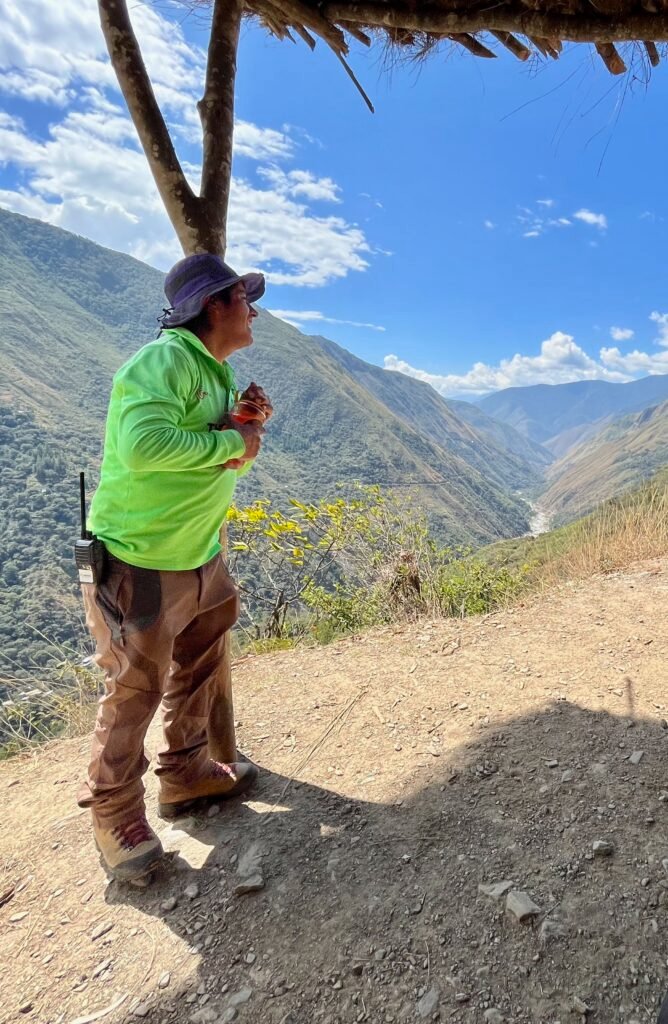
    • THE GUIDES! – All of the guides were local to the areas we explored. Their knowledge was first-rate and they were excited to share their cultural history. It was information overload and so much fun! They were all true servant leaders too. They were constantly engaged and watching their little ‘family’ of trekkers. When something didn’t go as planned, as when Patricia needed assistance on Salkantay or caught a stomach bug on the Inca Trail the guides were over and above making sure she was taken care of and even adapted itineraries to keep it all going. Kudos!
    • Having all the trip stuff paid up front as part of the package – There were several times in the adventure where there were possible ‘options’ for additional things that we found were already covered. I was excited to learn that I could do Huayna Picchu because I already had a (limited availability) ticket! Or a side trip to Red Valley at Rainbow Mountain. Or that all of the tour stops on the bus were covered. Or that lunch was covered on Tequile Island.
    • Having a robust contact system – WhatsApp is used extensively in Peru and it was easy to reach someone or be contacted. And the guides had satellite phones for the backcountry if needed.
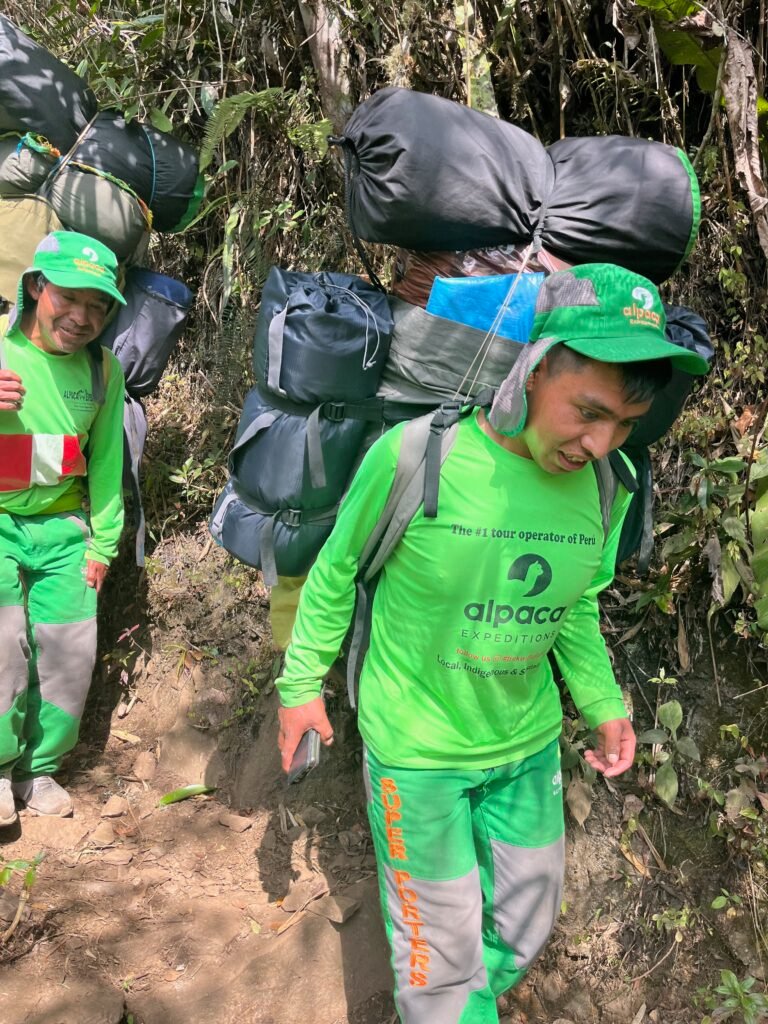
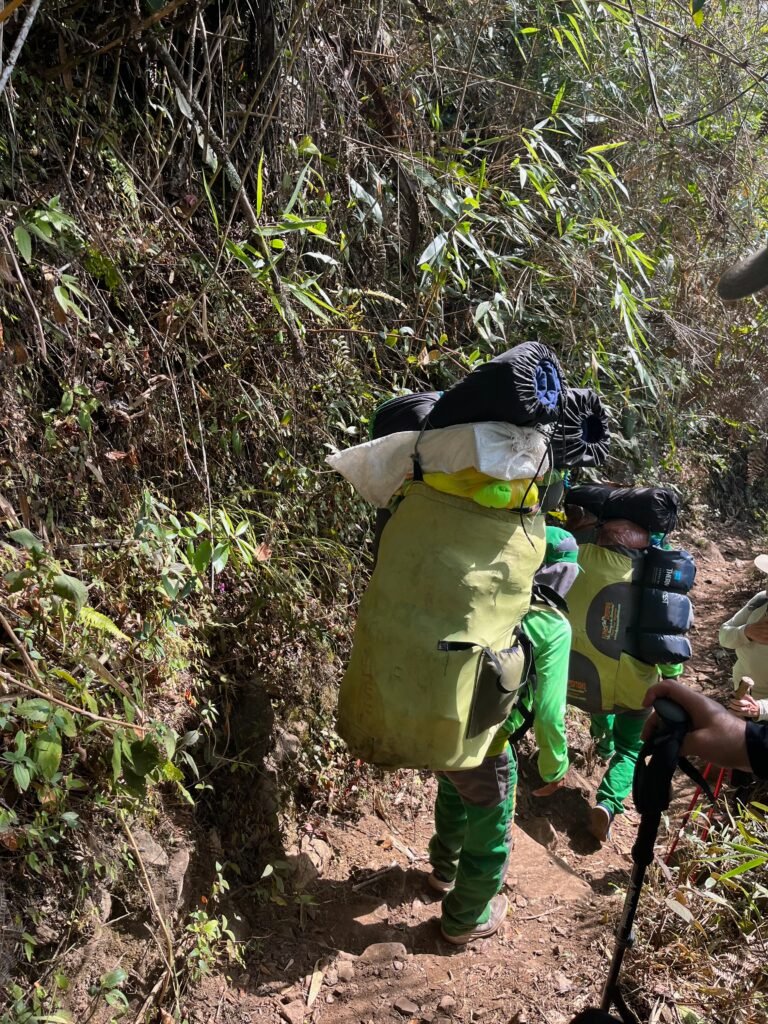
    • The small group size – Hobnail Trekking supports as few as two on a trek. We had three initially, but one canceled before the start. So we had a private tour for three days with guide Ruben. Then we were combined with three others for Salkantay, a total of five trekkers plus the guide Sergio, the chef, two porters and a horseman. For Lake Titicaca, there were seven people under the care of Ricardo. And just us two on the Miraflores bike ride with Amadeo. The small group size felt really comfortable and allowed us to get to know the other trekkers as well as the guides and their team.

    We felt like royalty due to the personal attention we were given. And I can’t say enough about how all of this removed the stress of traveling. I am soooooo glad I did not have to drive in Peru.

    It really allowed us to focus on the important aspects of the trip. You know, like BREATHING.

    So kudos, kudos, kudos to Hobnail Trekking and Alpaca Expeditions! We lift our muña tea cups in salute!

    Onward! Haku! Haku! Haku!

  • So much for the plan…

    So much for the plan…

    In Lima, near the end of our odyssey, I’m relaxing with an alpaca throw in the window of our room on the 16th floor, watching the city wake up. Workers are already cleaning a rooftop pool on the hotel across the street. We’re in Miraflores, and this is probably the nicest hotel we’ve ever stayed in. Comfort technology abounds. Our room card not only is required in the elevator for security, it’s required to turn on the lights in the room. Thoughtful convenience is everywhere, a motion sensor adds subtle light to the bathroom in the middle of the night and the perfect temperature is just a button press away. The Casa Andina Premium is just that, a beautiful hotel and a tambo, a place to rest in the Quechua language.

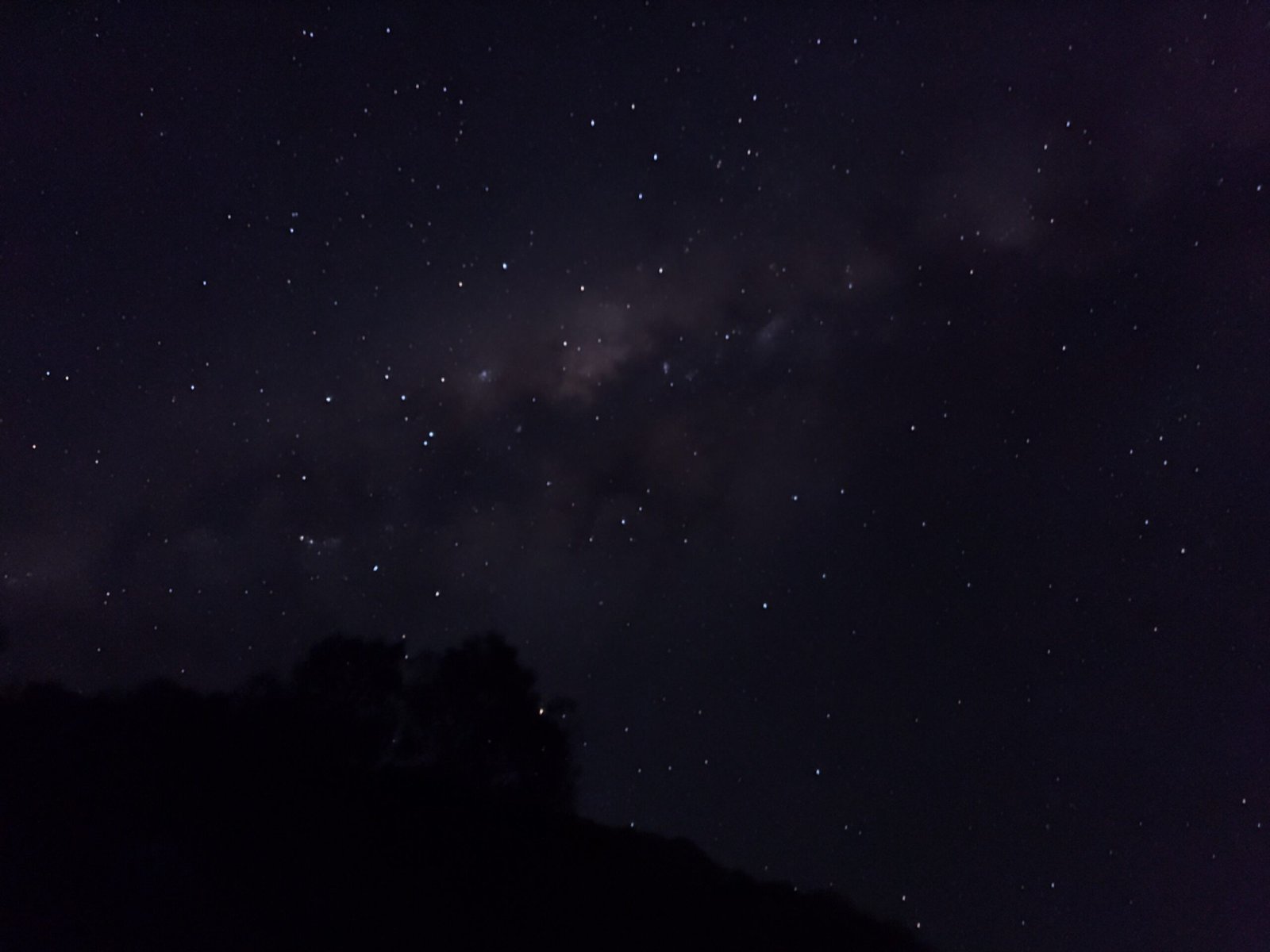
    Literally 24 hours ago, we’re waking to the light tap on our door by Mama Paula(?)( I still can’t catch the names properly) for breakfast. Her 80-yr-old mother is already up, sitting in the floor of the kitchen peeling potatoes. On Amantani Island, in Lake Titicaca, solar power was introduced only 2 years ago. The light switch to the bare ceiling light is part of the power outlet, down low and on the opposite side of our room from the door (and the bed). We are sleeping quite well under the massively heavy woolen blankets and hard bed, especially after the dance party at the community center. During the night, in order to reach the baño, I step outside to walk the balcony and navigate the steep steps down to the small courtyard. Looking up, I see the Milky Way like few people do, milk spilled across the sky, a flashlight is not necessary.

    Things didn’t go as planned. I had intended on a short play by play for this adventure. A way to share this journey in real time and then backfill later with the experiences, hardships, travel logistics and funny stories.

    But then Ruben, our first guide, walked into our life on Day 2. What started out as Odyssey definition 1, quickly became definition 2, and things (hopefully) will never be the same.

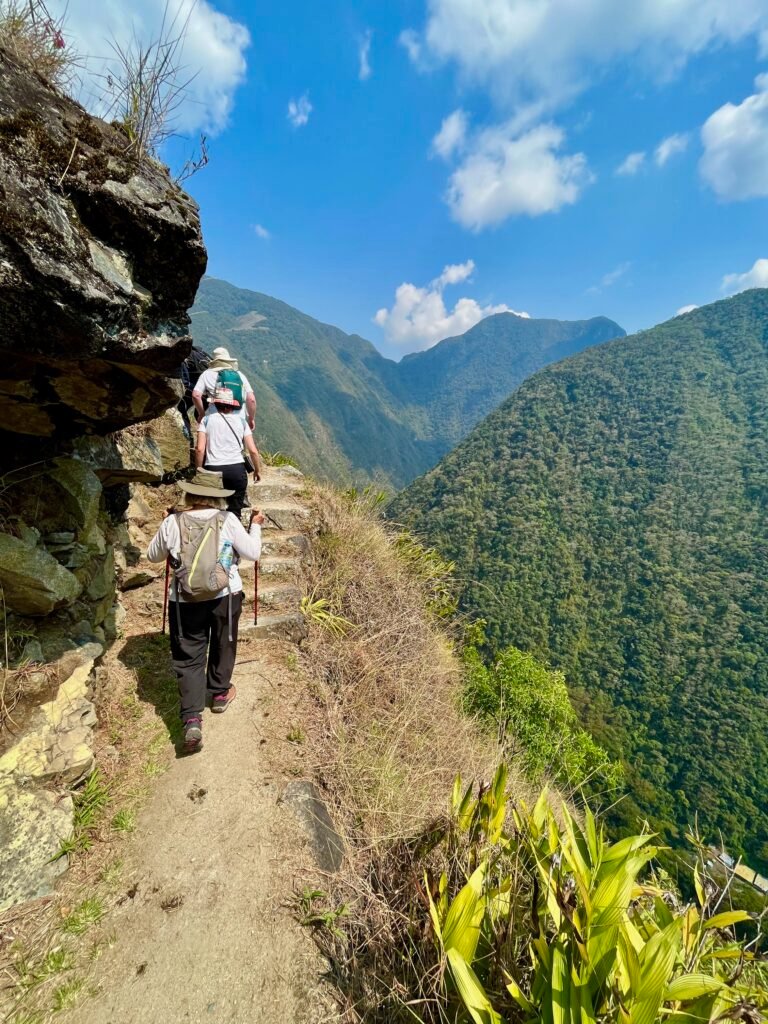
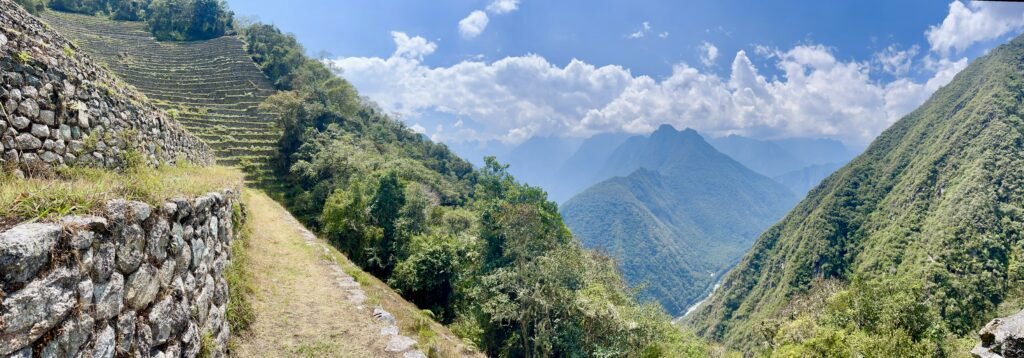
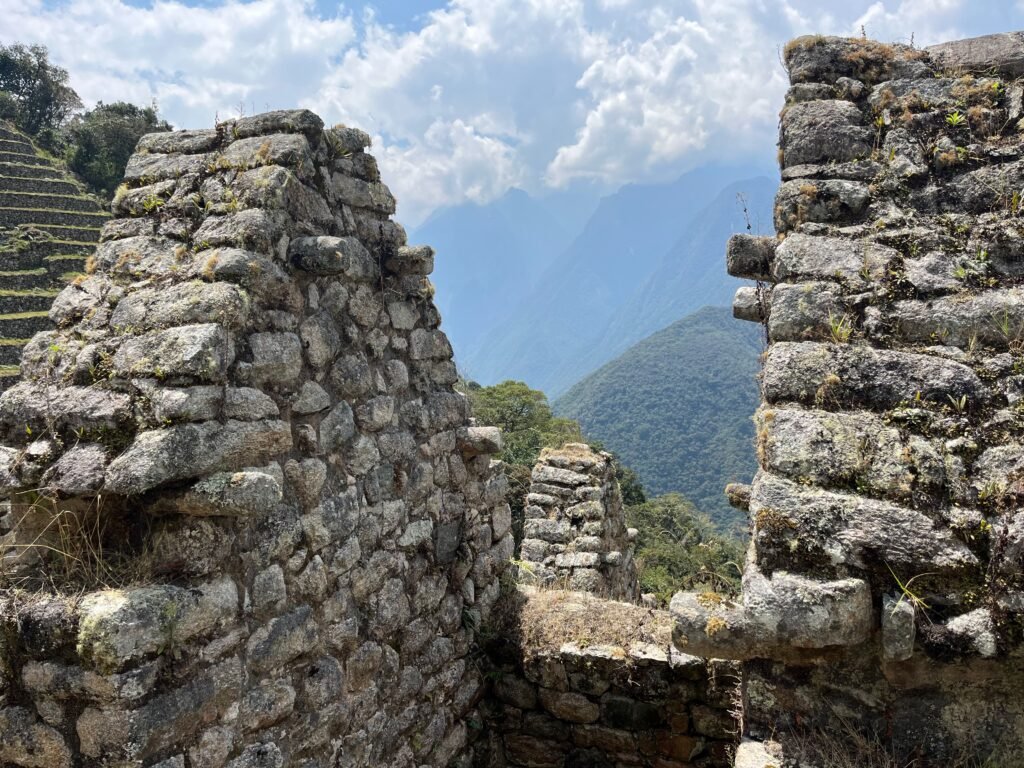
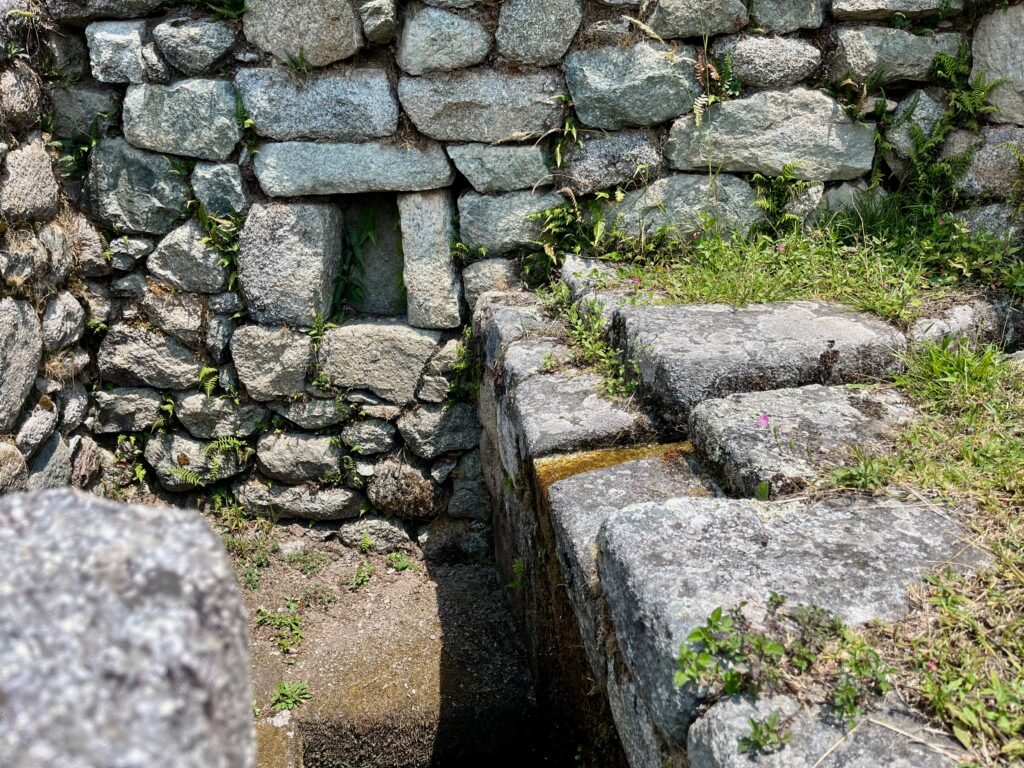
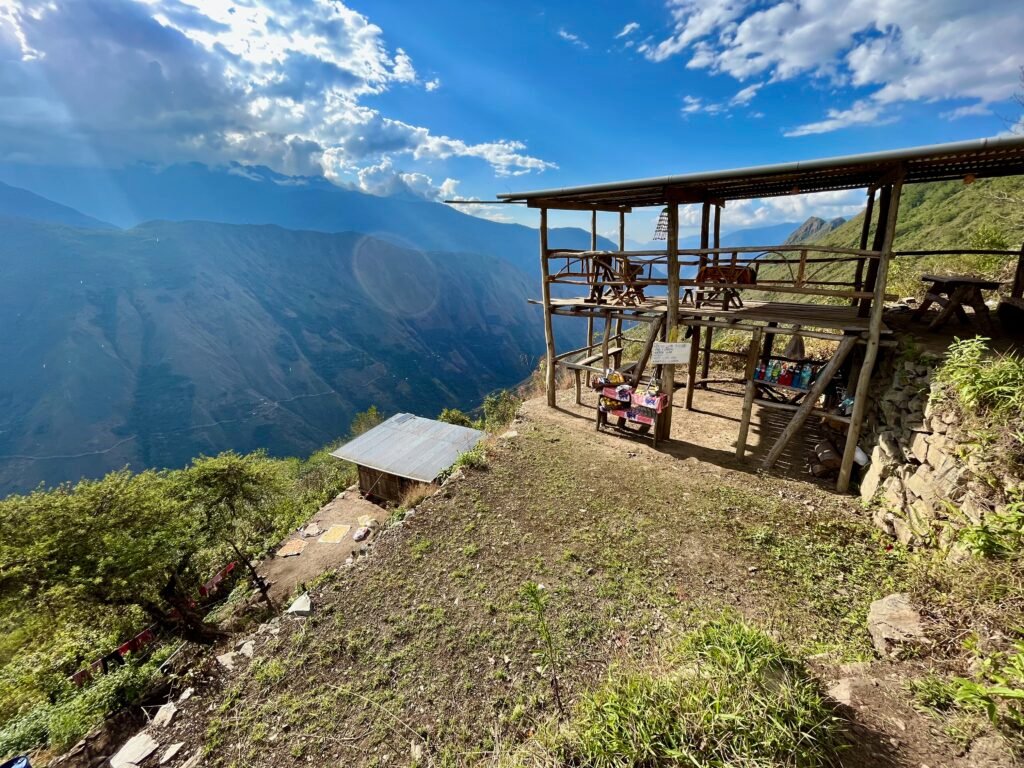
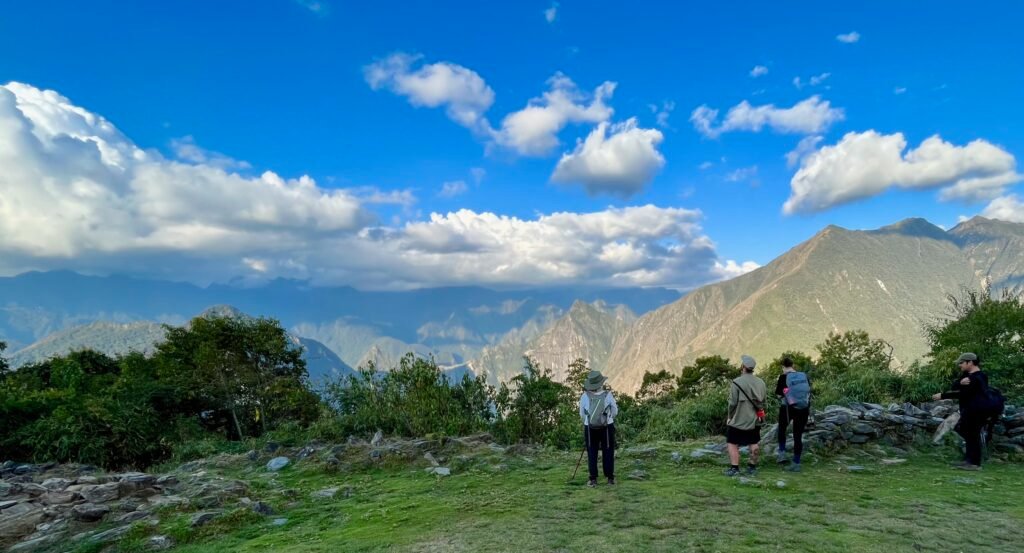
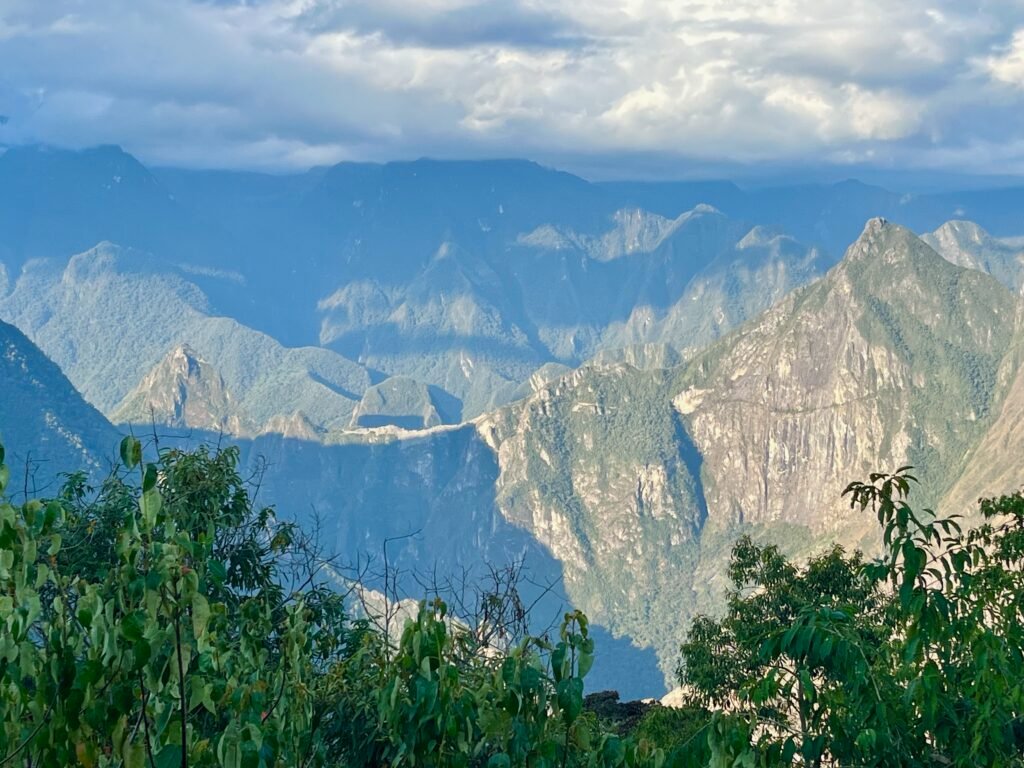
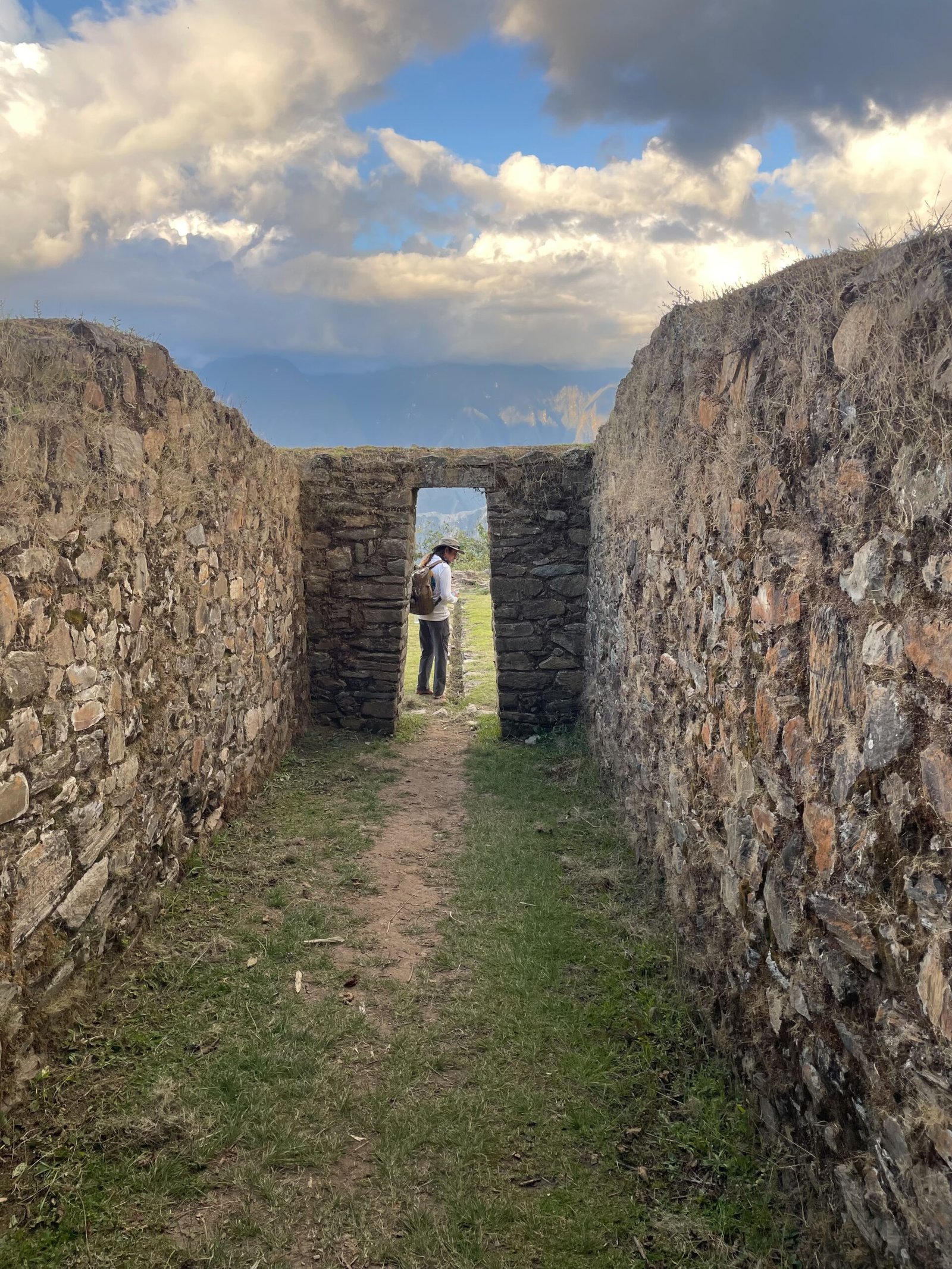
    So for now, I’m going to post a handful of pictures (okay, a big handful) with captions, and when we finally land in our tiny home back in Tennessee, maybe the hundreds of experiences and millions of threads rolling around in my overloaded mind will begin to spill out. Stay tuned and wish me luck…
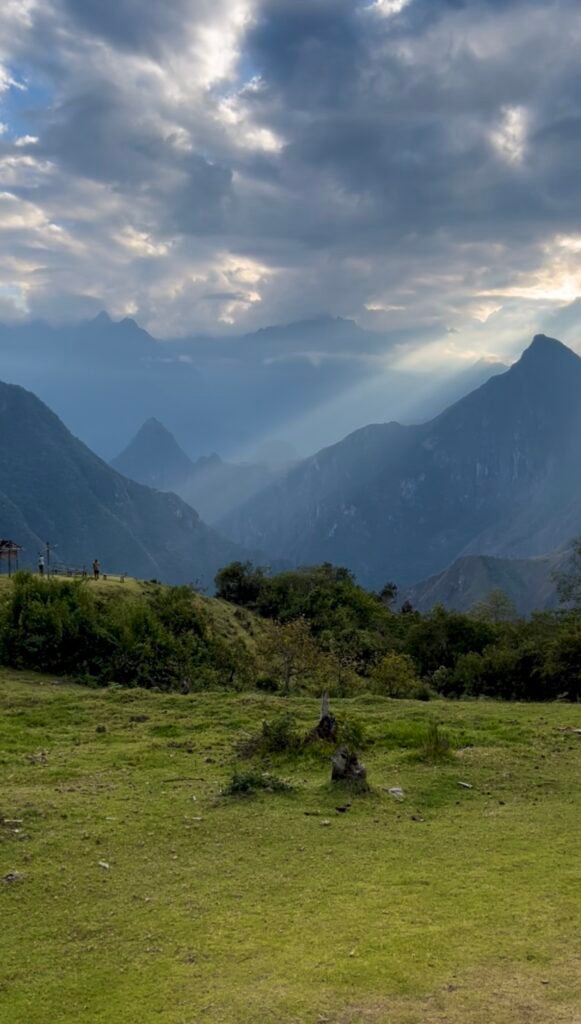
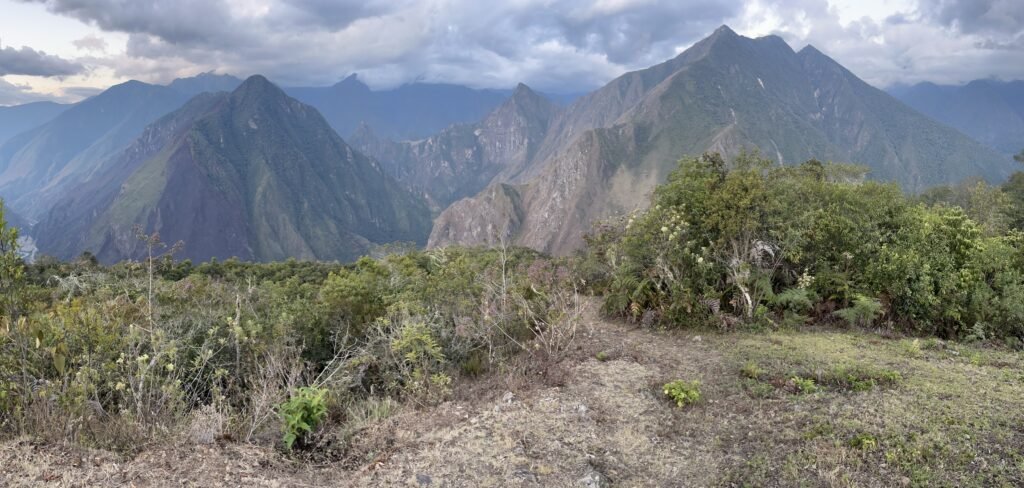
    Waymantay, at first light.
    Middle Earth
  • We’re going on a Peruvian Odyssey!

    We’re going on a Peruvian Odyssey!

    A whut?

    An odyssey

    (ŏd′ĭ-sē) – noun

    1. An extended adventurous voyage or trip.
    2. An intellectual or spiritual quest.
    3. An epic poem, attributed to Homer, in which are celebrated the adventures of Odysseus (this may have to wait until we get back)

    How did this come about?

    Well, it was unexpected. I mean, we’ve had our biggest travel year ever! But then the February ’23 issue of The Tennessee Magazine arrived in our mailbox, and the cover caught my eye. I mean, I’ve hiked ‘pert near’ all them Smoky Mountains and I ain’t never seen one like this!

    The feature article talks about a little trekking company near Nashville, TN that offers some really cool Everest treks (just click on the cover).

    Everest Base Camp and the Annapurna Circuit seemed a bit of a stretch for us, at least for this year :-). But as we perused the site, we ran across the Peruvian Odyssey! Seventeen days of trekking and touring through some of the most beautiful parts of Peru. Machu Picchu has always been on our bucket list and here was a really neat way to experience it. And you know what? We’re not getting any younger and most of our body parts are still working well, so why not?!

    So follow along as we try to unfold this adventure with you. It will be admittedly haphazard, slapdash, intermittent, and probably corny and clunky in spots as we learn WordPress along the way. But we hope to provide short blog posts when we can and then fill in the details when we return home.

    We’ve had many adventures over the years, some short, some long, some close, some abroad. But this one is a little different because the fine folks at Hobnail and their team in Peru are taking care of most of the logistics for us! And they are providing us with some cool tools to use to help us have a great experience. This unfortunately has made us a tad lazy so we’ll see how it goes!

    Lazy, you say?

    Only in the planning! The truth is, this is going to be a hard trip! Some long multi-day hikes and big climbs at elevations we’ve only briefly encountered before. I mean, the town of Cuzco sits at 11,000 feet, an area where we’ll spend a good bit of our time.

    So we will attempt to share all of our ups and downs, the things we learn, the people we meet, and all the things that might just make this adventure the odyssey it should be.

    Let’s get started…